The Hidden Costs of Hard Water Damage in Tennessee Homes
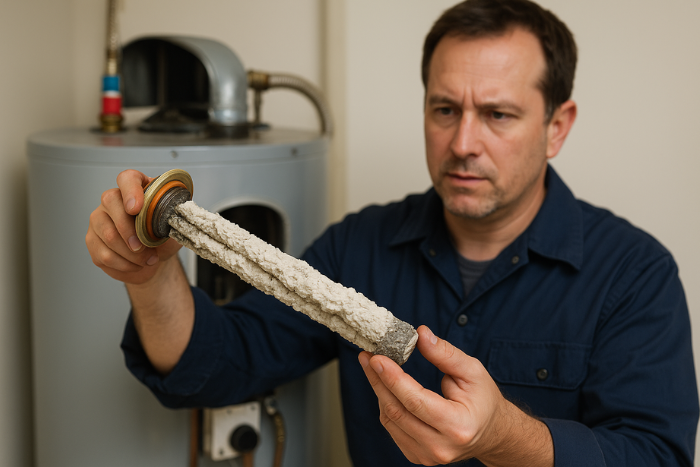
Jennifer couldn’t understand why her water heater had failed after only six years. The plumber who came to replace it showed her the inside of the old unit completely caked with white, chalky buildup that had reduced its efficiency by nearly 40% and eventually caused it to fail prematurely. “This is what hard water does,” he explained, pointing to the thick mineral deposits. “Your new heater will probably do the same thing unless you address your water quality.” That unexpected $1,200 expense was just the beginning of what Jennifer would discover about the true cost of the hard water flowing through her Tennessee home. Hard water damage represents one of the most overlooked and expensive problems facing homeowners throughout Tennessee. While the immediate effects might seem minor soap that doesn’t lather well, spots on dishes, slight discoloration on fixtures the long-term financial impact of hard water can easily reach tens of thousands of dollars over the life of a home. Understanding these hidden costs helps homeowners make informed decisions about water treatment before expensive damage occurs. The mineral content in Tennessee water varies by location, but most areas throughout Middle Tennessee, including Nashville and surrounding communities within 40 miles, deal with moderate to severe hard water issues. These minerals primarily calcium and magnesium dissolve into water as it moves through limestone and other rock formations common in our region. While not harmful to drink, these minerals wreak havoc on plumbing systems, appliances, and virtually every surface water touches in your home. Water heater damage represents one of the most significant and expensive consequences of hard water. As water heats, minerals precipitate out and form scale deposits on heating elements and tank interiors. This scale acts as insulation, forcing the heater to work harder and use more energy to heat water. Studies show that just 1/8 inch of scale buildup can reduce water heater efficiency by 20–30%. Over time, this scale buildup leads to premature failure, reducing a water heater’s typical 10–12 year lifespan to just 6–8 years in homes with untreated hard water. The replacement cost for a standard water heater ranges from $1,000 to $2,000 including installation. If hard water causes you to replace your water heater even two years earlier than normal, that’s $1,500 in unnecessary expense. Multiply this across multiple water heater replacements over 30 years of homeownership, and you’re looking at $4,500 to $6,000 in additional costs not including the increased energy bills from reduced efficiency during those years. Appliance damage extends far beyond water heaters. Dishwashers, washing machines, and any appliance that uses water suffers from hard water exposure. The same mineral deposits that damage water heaters accumulate in pumps, valves, spray arms, and heating elements of these appliances. A dishwasher that should last 10 years might fail after 6 or 7. A washing machine with a typical 11-year lifespan might need replacement after 8 years. Each premature appliance failure represents hundreds to thousands of dollars in unexpected expenses. Plumbing system damage from hard water develops slowly but inevitably. Mineral deposits gradually accumulate inside pipes, reducing water flow and increasing pressure throughout the system. In severe cases, pipes can become so restricted that water pressure drops noticeably, and eventually pipes may need replacement. Galvanized steel pipes are particularly vulnerable, but even copper and PEX piping experience reduced efficiency and increased wear from hard water minerals. The cost of replumbing even a portion of a home can easily reach $5,000 to $15,000 depending on the extent of damage and accessibility of pipes. While not every home with hard water will require complete replumbing, the gradual restriction of water flow and increased pressure on pipe joints and connections leads to more frequent repairs, leaks, and eventual replacement needs that could be avoided with proper water treatment. Faucet and fixture replacement becomes a recurring expense in homes with untreated hard water. The white, crusty buildup around faucet aerators, showerheads, and fixture bases isn’t just unsightly it’s corrosive. Minerals eat away at finishes, seals deteriorate faster, and moving parts become stiff or frozen. A quality bathroom faucet that should last 15–20 years might need replacement after 8–10 years due to hard water damage. Showerheads clog and lose pressure, requiring frequent cleaning or replacement. When you calculate replacing bathroom and kitchen faucets, showerheads, and other fixtures every 8–10 years instead of every 15–20 years across a 30-year homeownership period, the additional cost easily reaches $2,000 to $4,000. These aren’t dramatic, sudden failures they’re gradual degradation that homeowners often accept as normal wear when it’s actually preventable damage. Increased energy costs from hard water impact your budget every single month. When scale builds up in your water heater, it takes more energy to heat water. When mineral deposits coat heating elements in your dishwasher, it uses more electricity to achieve the same results. When your washing machine struggles with restricted water flow, it runs longer cycles. The U.S. Department of Energy estimates that hard water can increase water heating costs by 20–30%, which for an average household represents $100–$200 per year in unnecessary energy expenses. Over 30 years of homeownership, that’s $3,000 to $6,000 in additional energy costs just from reduced water heater efficiency. Add in the increased energy use from other appliances struggling with hard water, and the total energy waste easily exceeds $10,000 over the life of your homeownership. This is money literally going down the drain every month that proper water treatment could save. Cleaning product waste represents another ongoing expense that homeowners rarely connect to their water quality. Hard water prevents soap and detergent from working effectively, requiring you to use significantly more product to achieve the same cleaning results. You need more laundry detergent, more dish soap, more shampoo, more body wash, and more household cleaners. Studies show that households with hard water use 50–75% more cleaning products than homes with softened water. If your household spends $50 per month on various cleaning products and personal care items, using 50% more due to hard water