Rgray

The Truth About Bottled Water vs Home Water Filtration Systems

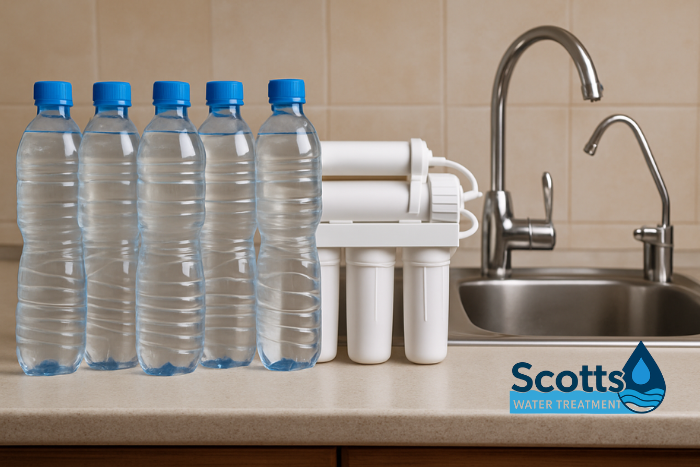
When Lisa moved into her new home just outside Nashville, she thought bottled water was the safest choice for her family. Every week, she loaded her grocery cart with cases of water, believing it was the cleanest and most reliable option. But after a few months, the cost began to add up, and she noticed something she had never paid attention to before. The bottles stacked in her pantry took up space, the recycling bin filled quickly, and the taste of the water seemed to change from one brand to another. Even more confusing, she realized she really didn’t know where the water in those bottles came from. One afternoon, a friend suggested she schedule a free water test through Scotts Water Treatment, and that single visit changed everything. Stories like Lisa’s are incredibly common in Nashville and surrounding areas within 40 miles, where families often rely on bottled water simply because it seems convenient. Most people assume bottled water is cleaner than tap water. Many believe it is filtered more thoroughly or comes from a natural spring. Others continue buying it out of habit, unaware of the long term costs and environmental impact. But as more homeowners learn the truth about bottled water and compare it to the benefits of professional water filtration systems, the choice becomes clearer every year. The bottled water industry is built on marketing rather than transparency. Labels show streams, mountains, and images that imply purity, but bottled water can legally come from municipal sources. It is often treated no differently than tap water. In many cases, the quality is not superior at all. Nashville’s municipal water supply contains chlorine, hardness minerals, and trace contaminants that affect taste, smell, and long term health. When this water is bottled, the chlorine is often neutralized, but the underlying mineral content remains. This is one of the reasons bottled water taste varies even when brands claim consistency. Homeowners seeking reliable purity are often surprised to learn that filtered water at home can be cleaner and more consistent than bottled water. A professionally installed system ensures that water is filtered at the point of use or throughout the entire home. Instead of guessing what is inside each bottle, families have complete control over the filtration method used. Reverse osmosis, whole house filtration, and softening systems each address specific issues found in local water. When combined, they can deliver crisp, clean, great tasting water without relying on single use plastics. Cost is another area where bottled water loses its appeal. A family buying multiple cases a week can spend hundreds or even thousands of dollars per year without realizing it. The convenience quickly becomes expensive. Over the course of five years, the cost of bottled water can exceed the investment of installing a complete reverse osmosis system in the kitchen. When families see the numbers side by side, the choice becomes obvious. A home system saves money while providing unlimited access to clean water. But the biggest reason Nashville residents switch from bottled water to home filtration is the health benefit. Bottled water is not always screened for the contaminants found in local tap water. Hardness minerals can still be present, and plastic bottles can leach chemicals when exposed to heat or extended storage. With a professionally installed system, homeowners get peace of mind knowing the filtration is handled properly and maintained regularly. Scotts Water Treatment performs free testing, explains the findings clearly, and matches each home with the system that best fits their needs. Instead of relying on bottled water companies to do the right thing, families gain control over their own clean water. Taste is another major factor. Many homeowners notice a dramatic difference when they switch from bottled water to professional filtration. Chlorine is removed, hardness minerals are reduced, and contaminants that affect flavor are filtered out. Water tastes fresher, smoother, and more consistent. Coffee, tea, and cooking all improve because they rely on clean, balanced water. Even ice tastes better because impurities are removed before freezing. For many families, this improvement makes the switch feel worthwhile from the very first day. Convenience also plays a huge role. Bottled water requires constant shopping, lifting, storage, recycling, and trash removal. It clutters pantries and garages. When storms hit or roads close, supply can run low. With a home filtration system, fresh water is always available at the tap. No more hauling cases, dealing with empty bottles, or worrying about shortages. Whether a home uses a simple under sink system or a full whole house water filter, the daily convenience becomes life changing. Environmental impact is yet another issue homeowners often overlook. Plastic waste from bottled water contributes to pollution across Tennessee and beyond. Even recycled bottles require processing and energy. When families switch to home filtration, they eliminate thousands of bottles per year. This reduces plastic waste and creates a greener household. Nashville residents who care about environmental stewardship often cite this as one of the main reasons they choose filtration over bottled water. The truth is simple. Bottled water feels convenient, but it is more expensive, less consistent, and less environmentally friendly than most people realize. Home filtration systems provide cleaner water, better taste, significant savings, and peace of mind. With free testing, professional installation, and local expertise, Scotts Water Treatment helps homeowners understand their options and choose the best solution. Whether a family needs a water softener, a reverse osmosis system, or a customized combination, the difference is immediate. Lisa, the homeowner who once filled her garage with bottled water cases, now laughs when she thinks about how much she used to spend. Her reverse osmosis system provides unlimited clean water right at the tap. Her kids love the taste, her coffee tastes better, and her grocery cart is a lot lighter. What started as a simple water test became one of the best improvements she made to her home. And like many Nashville residents, she wishes she had switched sooner. About Scotts Water Treatment

Read More

How to Choose the Right Water Filtration System for Your Family Size

When Mark and Jenna first called about their water, they were not sure where to start. They had two young kids, a busy schedule, and a growing concern about what was actually coming out of their taps. The water sometimes had a slight smell, the kids complained about the taste, and they were tired of buying bottled water every week. Like many families in Nashville and surrounding areas within 40 miles, they searched online for water filtration systems and quickly felt overwhelmed. Whole house filters, under-sink units, reverse osmosis systems, water softeners, cartridges, stages, microns it all blended together. What they really needed was simple: the right water treatment solution for their family size, their home, and their daily life. Choosing the right water filtration system is not just about picking the biggest or most expensive option. It is about matching the system to how many people live in your home, how much water you use, and what is really in your water. A family of two has very different needs than a family of six. A home with teenagers who take long showers and constantly run laundry will put far more demand on a system than a smaller household. That is why the first step is always understanding your family size and usage before choosing any equipment. The most important starting point is a professional water test. At Scotts Water Treatment, free water testing is not just a sales tool it is the foundation of every recommendation. Before you can choose a system based on family size, you need to know what you are treating. Is your water hard, with high levels of calcium and magnesium? Are there chlorine or chemical byproducts from city treatment? Do you have iron, sulfur, or other minerals common in certain parts of Middle Tennessee? A proper test shows what is really in your water so you are not guessing or buying equipment you do not need. Once you know what is in your water, family size becomes the next key factor. A small household one or two people will generally use less water overall and may be fine with a smaller whole house water filter or a compact reverse osmosis system for drinking water. A larger family, especially with children or frequent guests, will put more demand on the system. In that case, you need a filtration system that can handle higher flow rates and greater daily usage without losing performance. Think about your daily routine. How many showers happen in the morning? How often do you run the dishwasher and washing machine? Do you fill pet bowls, cook large meals, or use filtered water for coffee, tea, and ice? All of these habits affect the size and type of system that makes sense. A bigger family in Nashville and surrounding areas within 40 miles may benefit from a combination of systems for example, a water softener to protect plumbing and appliances, plus a dedicated reverse osmosis system for drinking water at the kitchen sink. Another important factor is flow rate. A system that works perfectly for a couple might struggle when four or five people are using water at once. If someone is showering, another is running the dishwasher, and a third is doing laundry, you need a system that keeps up. Otherwise, you may notice drops in water pressure or inconsistent performance. When sizing a system, professionals look at the number of bathrooms, usage patterns, and peak demand times. This is especially important for families upgrading older homes or adding new bathrooms. Budget also plays a role, but it should be considered alongside long-term savings. A properly sized water treatment system can save money by protecting appliances, reducing soap and detergent use, and cutting down on bottled water purchases. For a large family, buying bottled water every week adds up fast. Investing in a reverse osmosis system or high-quality whole house filter often pays for itself. At the same time, you do not need to overspend on equipment far beyond your actual needs. Health and taste are major reasons families call Scotts Water Treatment. Parents want to know the water their children drink every day is clean and safe. A family of four or five may drink many gallons each week, especially during hot Tennessee summers. For these households, a dedicated drinking water system like reverse osmosis is a smart choice. It provides high-quality water right at the tap without hauling cases of bottles or wondering what is in each glass. Combined with a whole house water filtration system or water softener, it can create a complete solution for both health and home protection. It is also important to consider future changes. Are you planning to grow your family? Do you have aging parents who may move in? Are you adding a bathroom, finishing a basement, or upgrading your laundry setup? Choosing a system that can adapt to future needs can save you from replacing equipment too soon. A professional who understands Middle Tennessee water can help you choose a system that will serve you well for years. Many homeowners do not realize that not all systems are equal when it comes to maintenance. A larger family may need filters changed more often simply because they use more water. When selecting a system, it helps to understand how often filters need to be replaced, how easy the unit is to service, and what kind of support you will receive. At Scotts Water Treatment, part of the service includes walking families through how to read the system, when to call for maintenance, and how to keep everything running efficiently. For Mark and Jenna, the solution was a combination approach. Their free water test showed hard water with chlorine from city treatment. With two kids and a busy schedule, they needed reliability and simplicity. They chose a properly sized water softener and a reverse osmosis system at the kitchen sink. The softener protects their plumbing, water heater, and appliances, while the RO

Read More

Best Water Treatment Solutions for Well Water in Sumner County

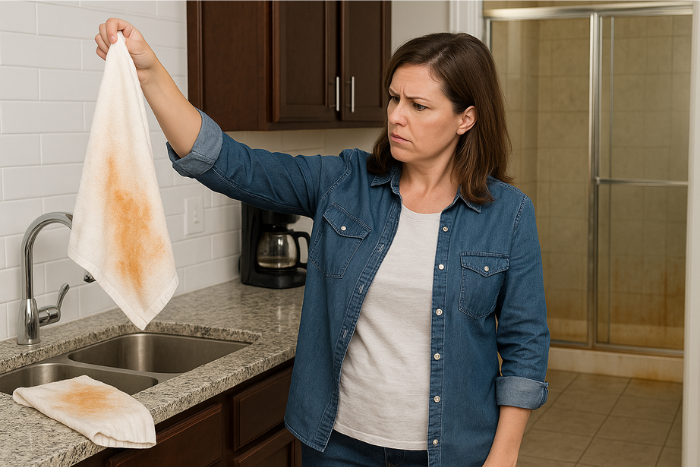
When Sarah and her husband bought their dream home on five acres outside Hendersonville, they fell in love with the privacy, the land, and the freedom of well water. No monthly water bills, no city restrictions—just pure independence. But three months after moving in, Sarah noticed something troubling. Her white towels were turning orange. The shower doors had stubborn brown stains. And worst of all, their morning coffee tasted like metal. Sarah’s experience is common among Sumner County homeowners with private wells. While well water offers independence from municipal systems, it also comes with unique challenges that require specialized water treatment solutions. Understanding Well Water in Sumner County Well water in Middle Tennessee draws from underground aquifers that have filtered through layers of limestone, clay, and bedrock. This natural filtration removes many contaminants, but it also picks up minerals and compounds that affect water quality, taste, and safety. Unlike city water that’s treated at a central facility, well water arrives at your tap exactly as it exists underground. That means homeowners are solely responsible for ensuring their water is safe, clean, and pleasant to use. Many families discover problems only after moving in, when stains appear, appliances fail prematurely, or health concerns arise. The geology of Sumner County creates specific water quality patterns. Homes in certain areas consistently deal with high iron content. Others battle hard water loaded with calcium and magnesium. Some wells produce water with sulfur compounds that smell like rotten eggs. And occasionally, wells test positive for bacteria, nitrates, or other health hazards. The Importance of Professional Water Testing Before investing in any water filtration system, professional testing is essential. Sarah learned this the hard way. She initially bought an under-sink filter from a big box store, hoping it would solve her problems. It didn’t. The orange stains continued, and she’d wasted money on a system that wasn’t designed for her specific water issues. Professional water testing analyzes dozens of parameters including iron, manganese, hardness, pH, sulfur, bacteria, nitrates, and more. This comprehensive analysis reveals exactly what’s in your water and guides the selection of appropriate treatment systems. Free water testing is available from qualified water treatment professionals who understand local water conditions. They can interpret results, explain health implications, and recommend solutions tailored to your family’s needs and budget. Common Well Water Problems in Sumner County Iron contamination tops the list of well water complaints in Middle Tennessee. Iron exists in two forms: ferrous iron (dissolved and invisible) and ferric iron (oxidized and visible as orange or brown staining). Both cause problems, but they require different treatment approaches. Homes with iron issues notice orange stains on fixtures, toilets, and laundry. White clothes turn dingy. Dishes have spots. And over time, iron buildup clogs pipes and damages appliances. Even low levels of iron—just a few parts per million—create noticeable problems. Hard water is another widespread issue. Calcium and magnesium minerals dissolve into groundwater as it passes through limestone formations. While not a health hazard, hard water creates scale buildup in pipes and water heaters, reduces soap effectiveness, leaves spots on dishes, and makes skin feel dry after bathing. Sulfur compounds produce that unmistakable rotten egg smell. Even trace amounts make water unpleasant to drink and use. Sulfur doesn’t pose health risks at typical concentrations, but it affects quality of life and can corrode plumbing fixtures. Bacteria and nitrates represent serious health concerns. Coliform bacteria indicate potential contamination from surface water or septic systems. Nitrates, often from agricultural runoff or failing septic systems, pose particular risks to infants and pregnant women. Both require immediate attention and specific treatment approaches. Comprehensive Treatment Solutions Addressing well water problems requires a systematic approach. Single-purpose filters rarely solve multiple issues. Instead, effective treatment typically involves several components working together. For homes with iron problems, oxidation and filtration systems convert dissolved iron into particles that can be filtered out. These systems use air injection or chemical oxidation to transform invisible ferrous iron into visible ferric iron, then capture it in a filter media. Properly sized and maintained, these systems eliminate iron staining and protect plumbing and appliances. Water softeners remain the gold standard for treating hard water. These systems use ion exchange technology to replace calcium and magnesium with sodium or potassium. The result is soft water that protects plumbing, improves soap performance, and feels better on skin and hair. Modern water softeners are efficient, using minimal salt and water during regeneration cycles. Reverse osmosis systems provide the highest level of filtration for drinking and cooking water. These point-of-use systems remove virtually all contaminants including dissolved solids, heavy metals, bacteria, and chemicals. Many Sumner County homeowners combine whole-house treatment for general use with reverse osmosis at the kitchen sink for drinking water. Sulfur removal requires specialized equipment. Depending on concentration and form, solutions include oxidation filters, activated carbon systems, or chlorination followed by filtration. Professional assessment determines the most effective and economical approach. The Role of Maintenance Sarah’s neighbor installed a water treatment system five years ago and never serviced it. When problems returned, he assumed the system had failed. In reality, it just needed maintenance. Filter media exhausts over time. Salt levels in softeners need monitoring. Reverse osmosis membranes require periodic replacement. Professional maintenance ensures systems continue performing as designed. Annual service visits include testing water quality, checking system operation, replacing filters as needed, and making adjustments. This preventive approach costs far less than emergency repairs or premature system replacement. Choosing the Right Provider Not all water treatment companies are equal. Some sell one-size-fits-all solutions without proper testing. Others push expensive systems that exceed actual needs. The best providers start with comprehensive testing, explain results clearly, and recommend solutions matched to specific problems and budgets. Local expertise matters. Companies familiar with Sumner County water conditions understand common problems and effective solutions. They know which wells typically have iron issues, where hard water is most severe, and how local geology affects water quality. Christian values and honest business practices build trust. Homeowners

Read More

The Hidden Costs of Hard Water Damage in Tennessee Homes

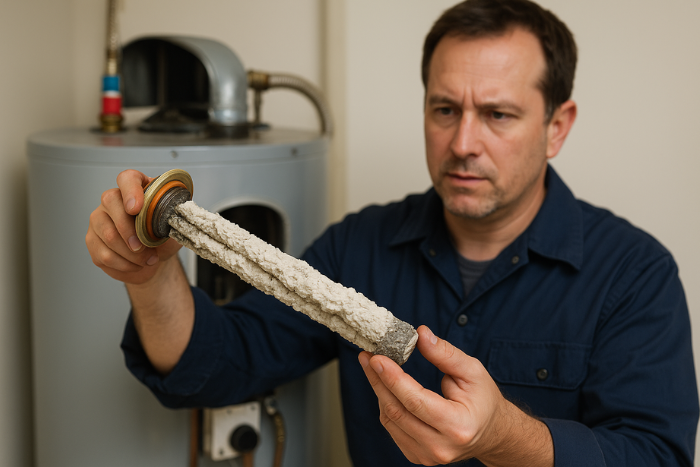
Jennifer couldn’t understand why her water heater had failed after only six years. The plumber who came to replace it showed her the inside of the old unit completely caked with white, chalky buildup that had reduced its efficiency by nearly 40% and eventually caused it to fail prematurely. “This is what hard water does,” he explained, pointing to the thick mineral deposits. “Your new heater will probably do the same thing unless you address your water quality.” That unexpected $1,200 expense was just the beginning of what Jennifer would discover about the true cost of the hard water flowing through her Tennessee home. Hard water damage represents one of the most overlooked and expensive problems facing homeowners throughout Tennessee. While the immediate effects might seem minor soap that doesn’t lather well, spots on dishes, slight discoloration on fixtures the long-term financial impact of hard water can easily reach tens of thousands of dollars over the life of a home. Understanding these hidden costs helps homeowners make informed decisions about water treatment before expensive damage occurs. The mineral content in Tennessee water varies by location, but most areas throughout Middle Tennessee, including Nashville and surrounding communities within 40 miles, deal with moderate to severe hard water issues. These minerals primarily calcium and magnesium dissolve into water as it moves through limestone and other rock formations common in our region. While not harmful to drink, these minerals wreak havoc on plumbing systems, appliances, and virtually every surface water touches in your home. Water heater damage represents one of the most significant and expensive consequences of hard water. As water heats, minerals precipitate out and form scale deposits on heating elements and tank interiors. This scale acts as insulation, forcing the heater to work harder and use more energy to heat water. Studies show that just 1/8 inch of scale buildup can reduce water heater efficiency by 20–30%. Over time, this scale buildup leads to premature failure, reducing a water heater’s typical 10–12 year lifespan to just 6–8 years in homes with untreated hard water. The replacement cost for a standard water heater ranges from $1,000 to $2,000 including installation. If hard water causes you to replace your water heater even two years earlier than normal, that’s $1,500 in unnecessary expense. Multiply this across multiple water heater replacements over 30 years of homeownership, and you’re looking at $4,500 to $6,000 in additional costs not including the increased energy bills from reduced efficiency during those years. Appliance damage extends far beyond water heaters. Dishwashers, washing machines, and any appliance that uses water suffers from hard water exposure. The same mineral deposits that damage water heaters accumulate in pumps, valves, spray arms, and heating elements of these appliances. A dishwasher that should last 10 years might fail after 6 or 7. A washing machine with a typical 11-year lifespan might need replacement after 8 years. Each premature appliance failure represents hundreds to thousands of dollars in unexpected expenses. Plumbing system damage from hard water develops slowly but inevitably. Mineral deposits gradually accumulate inside pipes, reducing water flow and increasing pressure throughout the system. In severe cases, pipes can become so restricted that water pressure drops noticeably, and eventually pipes may need replacement. Galvanized steel pipes are particularly vulnerable, but even copper and PEX piping experience reduced efficiency and increased wear from hard water minerals. The cost of replumbing even a portion of a home can easily reach $5,000 to $15,000 depending on the extent of damage and accessibility of pipes. While not every home with hard water will require complete replumbing, the gradual restriction of water flow and increased pressure on pipe joints and connections leads to more frequent repairs, leaks, and eventual replacement needs that could be avoided with proper water treatment. Faucet and fixture replacement becomes a recurring expense in homes with untreated hard water. The white, crusty buildup around faucet aerators, showerheads, and fixture bases isn’t just unsightly it’s corrosive. Minerals eat away at finishes, seals deteriorate faster, and moving parts become stiff or frozen. A quality bathroom faucet that should last 15–20 years might need replacement after 8–10 years due to hard water damage. Showerheads clog and lose pressure, requiring frequent cleaning or replacement. When you calculate replacing bathroom and kitchen faucets, showerheads, and other fixtures every 8–10 years instead of every 15–20 years across a 30-year homeownership period, the additional cost easily reaches $2,000 to $4,000. These aren’t dramatic, sudden failures they’re gradual degradation that homeowners often accept as normal wear when it’s actually preventable damage. Increased energy costs from hard water impact your budget every single month. When scale builds up in your water heater, it takes more energy to heat water. When mineral deposits coat heating elements in your dishwasher, it uses more electricity to achieve the same results. When your washing machine struggles with restricted water flow, it runs longer cycles. The U.S. Department of Energy estimates that hard water can increase water heating costs by 20–30%, which for an average household represents $100–$200 per year in unnecessary energy expenses. Over 30 years of homeownership, that’s $3,000 to $6,000 in additional energy costs just from reduced water heater efficiency. Add in the increased energy use from other appliances struggling with hard water, and the total energy waste easily exceeds $10,000 over the life of your homeownership. This is money literally going down the drain every month that proper water treatment could save. Cleaning product waste represents another ongoing expense that homeowners rarely connect to their water quality. Hard water prevents soap and detergent from working effectively, requiring you to use significantly more product to achieve the same cleaning results. You need more laundry detergent, more dish soap, more shampoo, more body wash, and more household cleaners. Studies show that households with hard water use 50–75% more cleaning products than homes with softened water. If your household spends $50 per month on various cleaning products and personal care items, using 50% more due to hard water

Read More

Water Softener vs Water Filter: Which Does Your Hendersonville Home Need?

A couple recently contacted me after visiting our website, unsure which water system their home actually needed.“We know our water has problems,” the husband explained, “but we’re not sure which system will fix it.” That conversation happens almost daily at Scotts Water Treatment. It highlights one of the most common misunderstandings homeowners face when addressing water quality issues in their Nashville area homes. Understanding the difference between water softeners and water filters, what problems each solves, and which system your Hendersonville home needs creates the foundation for making the right investment in your family’s water quality and home protection. Water Softeners vs. Water Filters Water softeners and water filters serve fundamentally different purposes, though both improve water quality. The confusion arises because people often use these terms interchangeably, not realizing they address completely different water problems. Choosing the wrong system means spending money without solving your actual water issues. Water softeners specifically address hard water problems caused by high concentrations of calcium and magnesium minerals. These minerals create scale buildup in pipes, water heaters, and appliances, leave spots on dishes and glassware, make soap less effective, and cause dry skin and dull hair. If you notice white crusty deposits around faucets, soap scum that won’t rinse clean, or appliances that fail prematurely, you’re dealing with hard water that requires a water softener. The water softening process uses ion exchange technology, replacing calcium and magnesium ions with sodium ions. This prevents scale formation, extends appliance life, improves soap effectiveness, and makes water feel noticeably different on skin and hair. Water softeners don’t remove contaminants like chlorine, bacteria, or chemicals they only address hardness minerals. Water filters, by contrast, remove contaminants and impurities from your water supply. Depending on the filtration technology, these systems can remove chlorine, sediment, bacteria, viruses, heavy metals, pesticides, and other harmful substances. If your water tastes or smells bad, contains visible particles, or you’re concerned about health-related contaminants, you need water filtration rather than softening. Real-Life Example I remember working with a Hendersonville family who installed a water softener hoping to eliminate the chlorine taste in their tap water. Three months later they called, frustrated that the problem persisted. The softener was working perfectly their hard water issues had disappeared but it couldn’t remove chlorine because that’s not what softeners do. Once we added a whole house water filter, both problems were solved. Choosing the Right System The key to choosing correctly starts with identifying your specific water problems. Professional water testing reveals exactly what’s in your water hardness levels, chlorine content, pH, contaminants, and other factors that affect quality and safety. This testing eliminates guesswork and ensures you invest in the right solution. Hard water indicators include scale buildup on fixtures, spotty dishes, soap that doesn’t lather well, dry itchy skin after showering, dull laundry colors, and reduced water heater efficiency. Middle Tennessee water typically contains significant hardness minerals, making water softeners beneficial for most homes in the Nashville and surrounding areas. Filtration indicators include chlorine taste or smell, discolored water, sediment in water, concerns about well water safety, or knowledge of contaminants in your municipal supply. City water contains chlorine for disinfection, which many people find objectionable in taste and smell, making filtration desirable even when water is technically safe. When You Need Both Many Hendersonville homes actually need both systems working together. Hard water and contamination issues often coexist, requiring comprehensive treatment. The good news is these systems complement each other perfectly the softener addresses minerals while the filter removes contaminants, providing complete water treatment. Installation order matters when combining systems. Typically, filtration comes first to remove sediment and contaminants that could damage the softener, followed by the softener to address hardness. This sequence protects both systems and ensures optimal performance. Reverse Osmosis Systems Reverse osmosis systems represent a third category that homeowners sometimes confuse with whole house filtration. RO systems provide extremely pure drinking and cooking water by removing virtually all contaminants, but they’re typically installed at a single point of use usually the kitchen sink rather than treating all water entering your home. RO systems work beautifully alongside softeners and whole house filters, providing comprehensive water treatment. Cost, Maintenance, and Performance Cost considerations differ significantly between systems. Water softeners typically cost less initially but require ongoing salt purchases. Whole house filters vary widely in price depending on technology and capacity, with some requiring periodic filter replacements. Understanding total cost of ownership initial investment plus ongoing maintenance helps with accurate budgeting. Maintenance requirements also differ. Water softeners need salt refills and occasional resin bed cleaning. Filters require periodic cartridge or media replacements depending on system type. Professional installation and maintenance ensure systems operate efficiently and last their expected lifespan. Water pressure impacts should be considered. Some filtration systems slightly reduce water pressure, though quality systems minimize this effect. Water softeners typically don’t affect pressure. If you already have pressure issues, addressing them before or during water treatment installation prevents complications. Health, Appliance, and Environmental Benefits The health benefits of proper water treatment extend beyond taste and convenience. Removing contaminants protects your family from potential health risks. Softened water reduces skin irritation and improves hair health. Clean, great-tasting water encourages increased water consumption, supporting overall health. Appliance protection represents a significant financial benefit of water softeners. Hard water dramatically shortens the lifespan of water heaters, dishwashers, washing machines, and other water-using appliances. The money saved on appliance repairs and replacements often exceeds the cost of the softener itself. Environmental considerations factor into the decision. Softened water requires less soap and detergent, reducing chemical use and environmental impact. Quality filtration systems eliminate bottled water needs, reducing plastic waste. These environmental benefits align with many homeowners’ values while providing practical advantages. The Scotts Water Treatment Approach The Scotts Water Treatment approach begins with comprehensive water testing to identify your specific issues. We explain what’s in your water, what problems those substances cause, and which treatment options address your particular situation. This educational approach ensures you

Read More

How Chlorine in Nashville Tap Water Affects Your Health and Home

The smell hit me the moment I turned on the shower. It was that distinctive swimming pool odor that shouldn’t exist in my bathroom. I had just moved to Nashville, and this was my first morning in the new house. Standing there in my towel, I wondered if something was wrong with the plumbing. A neighbor later explained that nothing was broken. That is simply what Nashville tap water smells like sometimes. Chlorine in municipal water is not an accident or a problem. It is intentional. Water treatment facilities add chlorine to kill bacteria, viruses, and other microorganisms that could make people sick. This process is one of the most important public health achievements of the twentieth century because it dramatically reduced waterborne diseases that once killed thousands. The chlorine in your tap water is there to protect you. However, protection comes with tradeoffs. Chlorine affects more than just water safety. It influences taste, smell, and over time, both your health and your home in ways most people do not realize until the effects become obvious. I learned about chlorine’s broader impacts gradually through small signs that accumulated over months. My morning coffee tasted slightly off, no matter which brand I tried. My skin felt dry and itchy after showers, even when I used moisturizer. The white grout in my shower developed a yellow tint that would not scrub away. My clothes, washed in Nashville tap water, also seemed to fade faster than before. The health effects of chlorinated water are subtle and build up over time. You will not get sick from drinking chlorinated tap water because the purpose of chlorination is to keep it safe. But ongoing exposure to chlorine and its byproducts raises questions that researchers continue to study. When chlorine reacts with organic matter in water, it forms compounds called trihalomethanes and haloacetic acids. These disinfection byproducts exist in nearly all chlorinated water systems. The EPA regulates their levels, setting maximum allowable concentrations based on health research. Yet “allowable” does not mean “ideal,” and some people are more sensitive to these compounds than others. Skin and hair usually take the most damage from chlorine exposure. Chlorine strips away natural oils, leaving skin dry and irritated. People with eczema, psoriasis, or other skin conditions often find that their symptoms worsen when exposed to chlorinated water. Hair becomes dry, brittle, and loses its natural shine. I noticed this with my daughter. She always had beautiful, healthy hair, but after a few months in Nashville it became dry and difficult to manage. We tried different shampoos, conditioners, and leave-in treatments. Nothing helped until we installed a shower filter that removed chlorine. Within weeks, her hair returned to normal. The problem was not the products we were using. It was the water itself. Respiratory effects from chlorinated water might seem strange. You are not breathing the water, after all. But when you shower in hot water, chlorine turns into vapor and you inhale it. For people with asthma or respiratory sensitivities, this can cause symptoms. Some studies suggest that long-term exposure to chlorine vapor in showers may contribute to breathing problems, though research continues. The taste and odor issues are immediate and easy to notice. Chlorinated water affects the flavor of everything coffee, tea, cooking, even ice cubes. Some people get used to it, while others always notice that their water tastes off. Many restaurants and coffee shops in Nashville use filtration systems to solve this problem because chlorine affects the quality of their beverages and food. Your home’s plumbing and appliances also suffer from chlorine exposure. Chlorine is corrosive and slowly damages rubber seals and gaskets in faucets, toilets, and appliances. Those small leaks that appear after a few years may be caused by chlorine breaking down the materials. Water heaters face extra challenges because heat accelerates corrosion when combined with chlorine. This shortens the lifespan of the heater and can lead to early failure. The same problem affects dishwashers, washing machines, and any appliance that uses hot water. I watched a plumber replace the fill valve in my toilet for the third time in five years. “This is normal around here,” he explained. “The chlorine in Nashville water eats these rubber parts. I replace them all the time.” He suggested installing a whole-house water treatment system, saying it would probably pay for itself in reduced repairs. Laundry and fabrics fade faster in chlorinated water. Chlorine works as a mild bleaching agent, slowly removing color from clothing, towels, and linens. Dark colors become lighter and bright colors lose their vibrancy. The change happens so gradually that you may not notice it at first, but over time the difference becomes clear. Chlorinated water also affects surfaces in your home. It can discolor grout, leave spots on glass shower doors, and create yellow-brown stains on white porcelain and fixtures. These marks are not dirt or mold. They are the result of chemical reactions between chlorine and minerals in the water. Nashville’s water mainly comes from the Cumberland River and passes through several treatment facilities. Chlorine levels change throughout the year, often increasing in the summer when bacterial growth is more likely. That is why the swimming pool smell tends to be stronger during warm months. The good news is that chlorine is easy to remove from water. Unlike many contaminants, chlorine is reactive and can be filtered out. Carbon filtration removes chlorine and its byproducts effectively. Reverse osmosis systems remove chlorine and many other contaminants. Even basic pitcher filters can reduce chlorine levels significantly. The real question is not whether you can remove chlorine, but when and where you should do it. Point-of-use filters meet specific needs. A shower filter protects skin and hair. An under-sink filter provides chlorine-free water for drinking and cooking. A refrigerator filter keeps ice and cold water tasting clean. Whole-house filtration systems treat the water at the point where it enters your home, protecting everything downstream. This means your showers, appliances, plumbing, and laundry all

Read More

Water Filtration Technology: Protecting Your Nashville Family’s Health

Water filtration technology has revolutionized how Middle Tennessee families approach their drinking water safety. Scotts Water Treatment understands that pure water is more than a luxury – it’s a critical component of family health, especially in an era where water quality concerns continue to grow across urban and suburban environments. The Current State of Water Quality Nashville water systems face numerous challenges in maintaining consistent water quality. While municipal treatment facilities work diligently to provide safe drinking water, multiple factors can compromise water purity between treatment plants and your home’s faucet. Industrial runoff, agricultural contamination, and aging infrastructure create potential risks that standard municipal treatment cannot entirely eliminate. Water quality testing reveals a complex landscape of potential contaminants that require advanced filtration solutions. Understanding Waterborne Contaminants Modern water supplies contain a variety of potential health risks beyond what traditional treatment methods address. Contaminants like lead, chlorine, pharmaceutical residues, and microplastics represent emerging challenges that require sophisticated filtration technologies. Heavy metals can accumulate in water systems, particularly in older neighborhoods with historic plumbing infrastructure. Nashville’s diverse urban landscape means water quality can vary dramatically between neighborhoods, making personalized water treatment solutions essential. Advanced Filtration Technologies Reverse osmosis systems represent the gold standard in home water purification. These advanced technologies remove up to 99% of dissolved solids, providing a level of water purity that significantly exceeds municipal treatment standards. Multi-stage filtration processes combine different technologies to address specific regional water quality challenges. Activated carbon filters remove chlorine and organic compounds, while ion-exchange systems target heavy metals and mineral content. Health Benefits of Comprehensive Filtration Properly filtered water provides numerous health advantages that extend far beyond basic safety. Reduced contaminant exposure can help minimize long-term health risks associated with chronic low-level chemical intake. Children and individuals with compromised immune systems benefit most from comprehensive water filtration. Removing microscopic contaminants helps protect vulnerable family members from potential waterborne health risks. Environmental and Economic Considerations Water filtration systems offer significant environmental benefits by reducing reliance on bottled water. A single home filtration system can prevent thousands of plastic bottles from entering waste streams annually. Economic advantages include reduced appliance maintenance, lower cleaning product expenses, and decreased bottled water purchases. Long-term savings from comprehensive water treatment often offset initial installation costs within a few years. Customized Solutions for Nashville Homes Scotts Water Treatment provides personalized water analysis that identifies specific contaminants in your home’s water supply. Our comprehensive testing goes beyond standard municipal reports, offering detailed insights into your unique water quality challenges. Professional consultation ensures you receive a filtration solution precisely matched to your family’s water usage, health considerations, and budget requirements. Customization is key to effective water treatment. Installation and Ongoing Support Professional installation represents a critical component of effective water filtration. Improper setup can compromise system performance and potentially introduce additional contamination risks. Ongoing maintenance ensures your filtration system continues operating at peak efficiency. Regular filter replacements, system sanitization, and performance monitoring protect your investment and maintain water quality. Technological Innovations in Water Treatment Emerging water filtration technologies continue expanding our ability to address complex water quality challenges. Smart monitoring systems now allow real-time tracking of water purity, providing unprecedented insight into home water conditions. Internet-connected filtration systems can alert homeowners to potential contamination issues, track filter performance, and provide detailed water quality reports directly to your smartphone. Community Health Commitment Scotts Water Treatment views water filtration as more than a business – it’s a commitment to community health. Our Christian values drive us to provide honest, transparent solutions that genuinely improve families’ quality of life. We believe every Nashville family deserves access to pure, safe drinking water. Our mission extends beyond selling equipment – we’re dedicated to educating and supporting our community’s health and well-being. Why Choose Professional Water Filtration DIY water filtration solutions often provide false security, lacking the comprehensive protection that professional systems deliver. Investing in a professionally designed and installed water treatment system represents a critical step in protecting your family’s health. Comprehensive protection means addressing not just current water quality challenges but anticipating potential future risks through advanced technological solutions. Preparing for Future Water Challenges Climate change and industrial development continue creating new water quality challenges. Proactive families invest in adaptable water treatment technologies that can respond to evolving environmental conditions. Scotts Water Treatment stays at the forefront of water filtration technology, ensuring our clients have access to the most advanced protection available. About Scotts Water Treatment Scotts Water Treatment provides comprehensive water analysis, advanced filtration solutions, and ongoing support for Nashville area families. Our commitment to community health drives us to deliver the most advanced water treatment technologies available. Contact Scotts Water Treatment: Phone: 615-970-2121 Email: scott@scottswatertreatment.com Services: Water quality testing, reverse osmosis systems, whole-house filtration, professional installation, ongoing maintenance Ready to Protect Your Family’s Water? – Contact Scotts Water Treatment for your comprehensive water analysis!
Read More

The Hidden Dangers of Hard Water: What Nashville Homeowners Need to Know

Hard water affects over 85% of homes in the Nashville area, creating problems that extend far beyond simple inconvenience. Scotts Water Treatment has helped thousands of Middle Tennessee families understand and solve hard water issues that silently damage plumbing systems, increase utility costs, and impact daily life in ways many homeowners never realize until the problems become expensive to fix. Understanding Hard Water in Middle Tennessee Nashville hard water contains high levels of dissolved minerals, primarily calcium and magnesium, that accumulate in pipes, appliances, and fixtures throughout your home. Water hardness levels in our area typically range from 8-15 grains per gallon, which qualifies as moderately hard to very hard according to water quality standards established by the Water Quality Association. The Tennessee Valley geological formation contributes to these elevated mineral levels, as groundwater passes through limestone and other mineral-rich rock formations before reaching municipal treatment facilities. While these minerals aren’t harmful to drink, they create significant problems for your home’s plumbing infrastructure and daily water usage. Costly Damage to Plumbing Systems Hard water damage begins immediately upon installation of new plumbing fixtures and appliances. Mineral deposits accumulate inside pipes, reducing water flow and creating pressure problems that strain your entire plumbing system. Nashville plumbing professionals report that homes with untreated hard water require pipe replacement 40% more frequently than homes with properly conditioned water. Water heaters suffer particularly severe damage from hard water, with mineral buildup reducing efficiency by up to 30% and shortening equipment lifespan significantly. Water heater replacement costs in Nashville average $1,200-$2,500, expenses that proper water conditioning can help prevent or delay substantially. Appliance Performance and Longevity Issues Home appliances including dishwashers, washing machines, and coffee makers experience reduced performance and shortened lifespans when operating with hard water. Mineral deposits clog spray arms, reduce cleaning effectiveness, and create maintenance problems that lead to premature appliance failure. Dishwasher problems from hard water include spotted glassware, film buildup on dishes, and reduced cleaning performance that requires higher detergent usage. Washing machines working with hard water use up to 50% more detergent to achieve the same cleaning results while producing dingy, stiff laundry that wears out faster. Skin and Hair Health Impacts Hard water effects on personal care extend beyond simple inconvenience to actual health and comfort issues. The mineral content interferes with soap effectiveness, leaving residue on skin and hair that can cause dryness, irritation, and other dermatological problems. Dry skin conditions often improve dramatically after installing proper water conditioning systems. Many Nashville families report softer skin, more manageable hair, and reduced need for moisturizers and hair care products after addressing their hard water problems with professional treatment solutions. Increased Household Expenses Hard water costs accumulate through multiple channels that many homeowners don’t initially recognize. Higher detergent usage, increased energy consumption, frequent appliance repairs, and premature replacement of plumbing fixtures create ongoing expenses that often exceed the cost of proper water treatment systems. Energy efficiency decreases as mineral buildup insulates heating elements in water heaters and other appliances, forcing them to work harder and consume more electricity or gas. Nashville utility costs continue rising, making energy efficiency improvements increasingly important for household budgeting. Cleaning Challenges and Time Consumption Hard water cleaning requires significantly more time and effort to maintain household cleanliness standards. Soap scum buildup in bathrooms, water spots on fixtures, and mineral stains on surfaces create ongoing maintenance challenges that consume valuable time and require specialized cleaning products. Bathroom cleaning becomes a constant battle against mineral deposits that standard cleaners cannot effectively remove. Many Nashville homeowners spend hours each week dealing with hard water stains and buildup that proper water conditioning could eliminate entirely. Professional Water Testing and Analysis Free water testing from Scotts Water Treatment provides detailed analysis of your home’s specific water quality issues. Our comprehensive testing identifies not only hardness levels but also other potential contaminants that might affect your family’s health and comfort. Water quality analysis includes testing for chlorine, iron, sulfur, bacteria, and other common Middle Tennessee water issues. Understanding your water’s complete profile allows for customized treatment solutions that address all identified problems effectively and efficiently. Customized Water Treatment Solutions Water softener systems represent the most common solution for hard water problems, but proper system sizing and configuration require professional expertise. Scotts Water Treatment designs customized solutions based on your home’s specific water usage patterns, hardness levels, and family needs. Reverse osmosis systems provide additional purification for drinking and cooking water, removing contaminants that water softeners don’t address. Combined systems offer comprehensive water treatment that improves both utility water and drinking water quality throughout your home. Professional Installation and Service Water softener installation requires proper sizing, placement, and configuration to ensure optimal performance and longevity. DIY installation often results in inadequate performance, voided warranties, and ongoing maintenance problems that professional installation prevents. Ongoing maintenance and service ensure your water treatment system continues operating at peak efficiency. Regular salt delivery, system cleaning, and performance monitoring help prevent problems and extend equipment lifespan significantly. Return on Investment Analysis Water treatment investment typically pays for itself within 2-3 years through reduced appliance repairs, lower utility costs, decreased cleaning product usage, and extended plumbing system lifespan. Many Nashville families discover that proper water conditioning saves money while improving daily life quality. Long-term savings from water treatment often exceed initial system costs by thousands of dollars over the equipment’s 15-20 year lifespan. When combined with improved comfort and convenience, water treatment represents one of the best home improvement investments available. Why Choose Scotts Water Treatment Professional water treatment requires expertise, quality equipment, and ongoing support that Scotts Water Treatment has provided to Middle Tennessee families for decades. Our commitment to customer satisfaction, Christian values, and community service ensures you receive honest recommendations and reliable service. Free consultation and water analysis help you understand your options without pressure or obligation. We believe informed customers make the best decisions for their families and homes. Contact Scotts Water Treatment today to discover how proper water conditioning can improve

Read More

Why Nashville Homeowners Need Water Testing Before Buying a Filtration System

When it comes to ensuring clean, safe drinking water for your Nashville home, many homeowners rush to purchase the first water filtration system they find online or at a local store. However, this approach often leads to disappointment, wasted money, and continued water quality issues. The key to successful water treatment lies in understanding exactly what contaminants are present in your specific water supply through professional water testing. Understanding Nashville’s Unique Water Challenges Nashville and the surrounding Middle Tennessee region, including Hendersonville and Sumner County, face distinct water quality challenges that vary significantly from neighborhood to neighborhood. The Cumberland River serves as Nashville’s primary water source, but municipal treatment doesn’t address all potential contaminants that can affect taste, odor, and health. Additionally, many homes in the 40-mile radius around Nashville rely on well water, which presents entirely different challenges including hard water, iron, sulfur, and bacterial contamination. Without proper testing, homeowners often purchase reverse osmosis systems when they actually need water softeners, or invest in basic carbon filters when their water requires more comprehensive treatment. This trial-and-error approach can cost thousands of dollars and leave families still struggling with poor water quality. The Science Behind Professional Water Testing Professional water quality testing goes far beyond the simple test strips available at hardware stores. Comprehensive testing analyzes dozens of potential contaminants including chlorine, chloramines, heavy metals, bacteria, nitrates, pH levels, total dissolved solids (TDS), and hardness minerals. Each of these contaminants requires specific treatment methods, and understanding their concentrations helps determine the most effective and economical solution. For example, Nashville’s municipal water typically contains chlorine and chloramines for disinfection, but these chemicals can affect taste and may form harmful byproducts. Meanwhile, homes with well water in Sumner County often deal with high iron levels that cause staining and metallic tastes. A water softener system addresses hardness minerals like calcium and magnesium, but won’t remove chlorine or iron – highlighting why testing is crucial before purchasing any equipment. Common Water Issues in the Nashville Area Middle Tennessee homeowners frequently encounter several specific water quality problems. Hard water affects nearly 85% of homes in the region, causing scale buildup in pipes and appliances, reducing soap effectiveness, and leaving spots on dishes and glassware. Chlorine taste and odor complaints are common among municipal water users, while well water customers often report issues with iron staining, sulfur smells, and bacterial contamination. Many Nashville-area homes also struggle with fluctuating pH levels, which can cause corrosion in plumbing systems and affect the taste of drinking water. Without identifying these specific issues through testing, homeowners might purchase a basic carbon filter when they actually need a comprehensive whole house water treatment system that addresses multiple contaminants simultaneously. The Cost of Guessing Wrong Purchasing the wrong water treatment equipment is more expensive than most homeowners realize. A basic under-sink filter might cost $200-500, but if your water has high hardness levels, you’ll still experience scale buildup, reduced appliance life, and increased soap usage. Similarly, installing a water softener without addressing chlorine or iron issues means you’ll continue dealing with taste, odor, and staining problems. Professional water testing services typically cost $150-300, but this small investment can save thousands by ensuring you purchase the right equipment the first time. Additionally, many reputable water treatment companies, including local Nashville providers, offer free testing as part of their consultation process, making it even more cost-effective to test before buying. What Professional Testing Reveals Comprehensive water analysis provides detailed information about your water’s specific characteristics and contamination levels. Testing reveals the exact hardness level, helping determine the appropriate size water softener for your household. It identifies specific types of bacteria, ensuring proper disinfection methods are selected. The analysis also measures pH levels, total dissolved solids, and specific contaminants like lead, arsenic, or nitrates that may require specialized filtration. This detailed information allows water treatment professionals to design customized solutions that address your home’s unique needs. Rather than purchasing generic equipment, you can invest in targeted drinking water systems that effectively treat your specific water quality issues while avoiding unnecessary features that don’t benefit your situation. Choosing the Right Testing Service When selecting a water testing service in the Nashville area, look for certified laboratories and experienced professionals who understand local water conditions. Reputable companies provide detailed reports explaining test results in understandable terms and offer recommendations based on your family’s specific needs and budget. Free water testing services offered by established local companies like Scotts Water Treatment provide valuable insights without upfront costs. These professionals understand Middle Tennessee’s unique water challenges and can recommend appropriate solutions whether you need a simple carbon filter, comprehensive reverse osmosis system, or whole-house treatment approach. Making Informed Decisions Armed with accurate water testing results, Nashville homeowners can make informed decisions about their water treatment investments. Testing eliminates guesswork, ensures optimal equipment selection, and provides peace of mind knowing your family’s clean drinking water needs are properly addressed. Don’t let poor water quality affect your family’s health and comfort. Contact Scotts Water Treatment at 615-970-2121 for your free water analysis and discover the most effective solution for your Nashville-area home’s specific water quality challenges. Contact Scotts Water Treatment Today: Website: www.scottswatertreatment.com Phone: 615-970-2121 Email: scott@scottswatertreatment.com Facebook: https://www.facebook.com/ScottsWaterTreatment

Read More

The Health Benefits of Filtered Water and How It Helps Your Health.

In today’s busy world, it can be easy to overlook the simple choices that have the biggest impact on health. Drinking clean, safe, and refreshing water is one of those essentials. Yet, many households in Middle Tennessee rely on tap water that may contain unwanted minerals, chemicals, or contaminants. That’s where Scotts Water Treatment comes in. Known across Nashville, Hendersonville, Gallatin, and beyond as the trusted local experts, Scotts provides professional installation, product knowledge, and ongoing support for water filtration systems, reverse osmosis systems, and whole house water softeners. When you choose filtered water, you’re not only investing in great taste, you’re making a daily commitment to better health. Let’s explore why filtered water is so beneficial and how Scotts Water Treatment makes it simple for families and businesses to enjoy those benefits every single day. Cleaner Water, Stronger Health 🌟 The most obvious benefit of a water filtration system is cleaner water. Municipal and well sources can contain sediments, chlorine, and even traces of pesticides or heavy metals. While some of these elements may be present in low amounts, long-term exposure can affect overall wellness. By removing impurities, filtered water supports: Better digestion: Drinking water free of harsh chemicals is easier on the stomach and digestive tract. Improved hydration: When water tastes fresh, people naturally drink more, helping the body maintain energy and focus. Reduced toxin exposure: Limiting chemicals and metals supports long-term organ health. Filtered water simply gives your body what it needs pure hydration without anything extra. Supporting Immune Health 💪 Every sip of water is an opportunity to strengthen your immune system. Contaminants like chlorine byproducts and bacteria can put stress on the body, forcing the immune system to work harder than it should. With a reverse osmosis system from Scotts Water Treatment, harmful elements are removed before they ever reach your glass. Families across White House, Madison, and Goodlettsville appreciate the peace of mind that comes with knowing their children are drinking safer water. For seniors and those with health concerns, filtered water provides even greater benefits by reducing the burden on the immune system. Healthier Skin and Hair ✨ It’s not just what you drink it’s also what you wash with. Hard water, filled with minerals like calcium and magnesium, can dry out skin and make hair dull. Installing a whole house water softener instantly improves showers, baths, and even laundry. With softer water: Skin feels smoother and more moisturized. Hair becomes shinier and more manageable. Soap and shampoo lather better, providing a deeper clean. Customers in Springfield, Brentwood, and Franklin often notice a difference after just a few days. It’s proof that better water supports better health from the inside out. Protecting Children’s Development 👶 For families with young children, water quality is even more critical. Developing bodies and immune systems are more sensitive to chemicals and contaminants. Choosing a professionally installed water filtration system ensures that every sip supports growth and development. Parents across Lafayette, Westmoreland, and Clarksville rely on Scotts Water Treatment to recommend and install the best systems for their homes. Why Choose Scotts Water Treatment? 🛠️ While many companies sell filters, what makes Scotts different is their combination of installation expertise and product knowledge. It’s not just about placing a unit in your home. Scotts helps you select the right system for your water source, family size, and lifestyle. They also provide: Same-day service in most cases. A full stock of equipment and parts for immediate solutions. Professional maintenance to keep systems running year after year. Free in-home water testing so you know exactly what’s in your water. By trusting Scotts Water Treatment, you’re working with a local company that understands Tennessee’s unique water needs and has the tools to address them quickly. Better Water, Better Everyday Life 🌍 Filtered water isn’t just healthier it makes daily life more enjoyable. Coffee tastes smoother, cooking flavors are cleaner, and even ice cubes look crystal clear. Many households in Nashville and the surrounding areas report that switching to filtered water encouraged the entire family to drink more water, cutting down on sugary drinks and supporting long-term wellness. For businesses, better water also means happier employees and customers. Restaurants, salons, and offices all benefit from cleaner, softer water that enhances both taste and experience. A Long-Term Investment in Health and Home 🏠 Beyond health, water treatment protects the home itself. Hard water buildup damages pipes, appliances, and water heaters over time. By installing a water softener, families in Hendersonville, Gallatin, and Madison extend the life of their plumbing and save money on repairs. It’s an investment that pays for itself while improving everyday life. The Trusted Local Experts 🏆 At the end of the day, the choice of who installs and maintains your water system matters just as much as the system itself. Scotts Water Treatment is not just another company they’re your neighbors. Known for professionalism, honesty, and fast service, Scotts has earned the trust of families and businesses all across Middle Tennessee. When health, safety, and peace of mind are on the line, Scotts Water Treatment is the clear choice. 📞 615-970-2121📧 Scott@scottswatertreatment.com🌐 https://scottswatertreatment.com

Read More