water testing

Best Water Treatment Solutions for Well Water in Sumner County

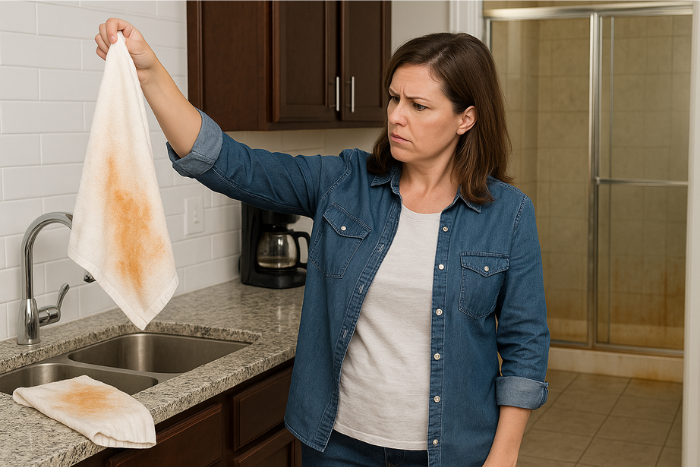
When Sarah and her husband bought their dream home on five acres outside Hendersonville, they fell in love with the privacy, the land, and the freedom of well water. No monthly water bills, no city restrictions—just pure independence. But three months after moving in, Sarah noticed something troubling. Her white towels were turning orange. The shower doors had stubborn brown stains. And worst of all, their morning coffee tasted like metal. Sarah’s experience is common among Sumner County homeowners with private wells. While well water offers independence from municipal systems, it also comes with unique challenges that require specialized water treatment solutions. Understanding Well Water in Sumner County Well water in Middle Tennessee draws from underground aquifers that have filtered through layers of limestone, clay, and bedrock. This natural filtration removes many contaminants, but it also picks up minerals and compounds that affect water quality, taste, and safety. Unlike city water that’s treated at a central facility, well water arrives at your tap exactly as it exists underground. That means homeowners are solely responsible for ensuring their water is safe, clean, and pleasant to use. Many families discover problems only after moving in, when stains appear, appliances fail prematurely, or health concerns arise. The geology of Sumner County creates specific water quality patterns. Homes in certain areas consistently deal with high iron content. Others battle hard water loaded with calcium and magnesium. Some wells produce water with sulfur compounds that smell like rotten eggs. And occasionally, wells test positive for bacteria, nitrates, or other health hazards. The Importance of Professional Water Testing Before investing in any water filtration system, professional testing is essential. Sarah learned this the hard way. She initially bought an under-sink filter from a big box store, hoping it would solve her problems. It didn’t. The orange stains continued, and she’d wasted money on a system that wasn’t designed for her specific water issues. Professional water testing analyzes dozens of parameters including iron, manganese, hardness, pH, sulfur, bacteria, nitrates, and more. This comprehensive analysis reveals exactly what’s in your water and guides the selection of appropriate treatment systems. Free water testing is available from qualified water treatment professionals who understand local water conditions. They can interpret results, explain health implications, and recommend solutions tailored to your family’s needs and budget. Common Well Water Problems in Sumner County Iron contamination tops the list of well water complaints in Middle Tennessee. Iron exists in two forms: ferrous iron (dissolved and invisible) and ferric iron (oxidized and visible as orange or brown staining). Both cause problems, but they require different treatment approaches. Homes with iron issues notice orange stains on fixtures, toilets, and laundry. White clothes turn dingy. Dishes have spots. And over time, iron buildup clogs pipes and damages appliances. Even low levels of iron—just a few parts per million—create noticeable problems. Hard water is another widespread issue. Calcium and magnesium minerals dissolve into groundwater as it passes through limestone formations. While not a health hazard, hard water creates scale buildup in pipes and water heaters, reduces soap effectiveness, leaves spots on dishes, and makes skin feel dry after bathing. Sulfur compounds produce that unmistakable rotten egg smell. Even trace amounts make water unpleasant to drink and use. Sulfur doesn’t pose health risks at typical concentrations, but it affects quality of life and can corrode plumbing fixtures. Bacteria and nitrates represent serious health concerns. Coliform bacteria indicate potential contamination from surface water or septic systems. Nitrates, often from agricultural runoff or failing septic systems, pose particular risks to infants and pregnant women. Both require immediate attention and specific treatment approaches. Comprehensive Treatment Solutions Addressing well water problems requires a systematic approach. Single-purpose filters rarely solve multiple issues. Instead, effective treatment typically involves several components working together. For homes with iron problems, oxidation and filtration systems convert dissolved iron into particles that can be filtered out. These systems use air injection or chemical oxidation to transform invisible ferrous iron into visible ferric iron, then capture it in a filter media. Properly sized and maintained, these systems eliminate iron staining and protect plumbing and appliances. Water softeners remain the gold standard for treating hard water. These systems use ion exchange technology to replace calcium and magnesium with sodium or potassium. The result is soft water that protects plumbing, improves soap performance, and feels better on skin and hair. Modern water softeners are efficient, using minimal salt and water during regeneration cycles. Reverse osmosis systems provide the highest level of filtration for drinking and cooking water. These point-of-use systems remove virtually all contaminants including dissolved solids, heavy metals, bacteria, and chemicals. Many Sumner County homeowners combine whole-house treatment for general use with reverse osmosis at the kitchen sink for drinking water. Sulfur removal requires specialized equipment. Depending on concentration and form, solutions include oxidation filters, activated carbon systems, or chlorination followed by filtration. Professional assessment determines the most effective and economical approach. The Role of Maintenance Sarah’s neighbor installed a water treatment system five years ago and never serviced it. When problems returned, he assumed the system had failed. In reality, it just needed maintenance. Filter media exhausts over time. Salt levels in softeners need monitoring. Reverse osmosis membranes require periodic replacement. Professional maintenance ensures systems continue performing as designed. Annual service visits include testing water quality, checking system operation, replacing filters as needed, and making adjustments. This preventive approach costs far less than emergency repairs or premature system replacement. Choosing the Right Provider Not all water treatment companies are equal. Some sell one-size-fits-all solutions without proper testing. Others push expensive systems that exceed actual needs. The best providers start with comprehensive testing, explain results clearly, and recommend solutions matched to specific problems and budgets. Local expertise matters. Companies familiar with Sumner County water conditions understand common problems and effective solutions. They know which wells typically have iron issues, where hard water is most severe, and how local geology affects water quality. Christian values and honest business practices build trust. Homeowners
Read More

Water Softener vs Water Filter: Which Does Your Hendersonville Home Need?

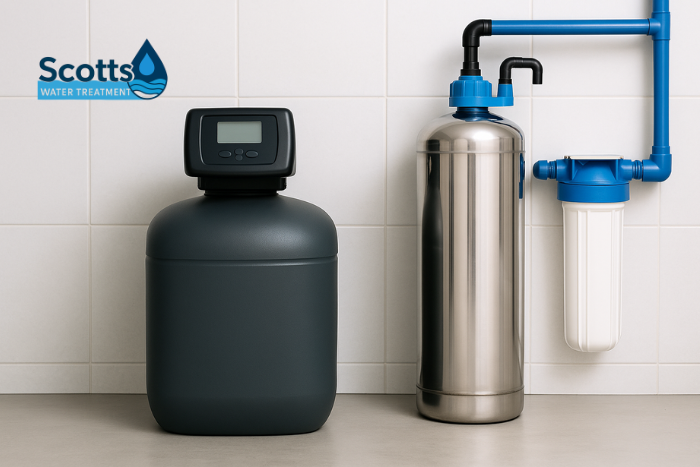
A couple recently contacted me after visiting our website, unsure which water system their home actually needed.“We know our water has problems,” the husband explained, “but we’re not sure which system will fix it.” That conversation happens almost daily at Scotts Water Treatment. It highlights one of the most common misunderstandings homeowners face when addressing water quality issues in their Nashville area homes. Understanding the difference between water softeners and water filters, what problems each solves, and which system your Hendersonville home needs creates the foundation for making the right investment in your family’s water quality and home protection. Water Softeners vs. Water Filters Water softeners and water filters serve fundamentally different purposes, though both improve water quality. The confusion arises because people often use these terms interchangeably, not realizing they address completely different water problems. Choosing the wrong system means spending money without solving your actual water issues. Water softeners specifically address hard water problems caused by high concentrations of calcium and magnesium minerals. These minerals create scale buildup in pipes, water heaters, and appliances, leave spots on dishes and glassware, make soap less effective, and cause dry skin and dull hair. If you notice white crusty deposits around faucets, soap scum that won’t rinse clean, or appliances that fail prematurely, you’re dealing with hard water that requires a water softener. The water softening process uses ion exchange technology, replacing calcium and magnesium ions with sodium ions. This prevents scale formation, extends appliance life, improves soap effectiveness, and makes water feel noticeably different on skin and hair. Water softeners don’t remove contaminants like chlorine, bacteria, or chemicals they only address hardness minerals. Water filters, by contrast, remove contaminants and impurities from your water supply. Depending on the filtration technology, these systems can remove chlorine, sediment, bacteria, viruses, heavy metals, pesticides, and other harmful substances. If your water tastes or smells bad, contains visible particles, or you’re concerned about health-related contaminants, you need water filtration rather than softening. Real-Life Example I remember working with a Hendersonville family who installed a water softener hoping to eliminate the chlorine taste in their tap water. Three months later they called, frustrated that the problem persisted. The softener was working perfectly their hard water issues had disappeared but it couldn’t remove chlorine because that’s not what softeners do. Once we added a whole house water filter, both problems were solved. Choosing the Right System The key to choosing correctly starts with identifying your specific water problems. Professional water testing reveals exactly what’s in your water hardness levels, chlorine content, pH, contaminants, and other factors that affect quality and safety. This testing eliminates guesswork and ensures you invest in the right solution. Hard water indicators include scale buildup on fixtures, spotty dishes, soap that doesn’t lather well, dry itchy skin after showering, dull laundry colors, and reduced water heater efficiency. Middle Tennessee water typically contains significant hardness minerals, making water softeners beneficial for most homes in the Nashville and surrounding areas. Filtration indicators include chlorine taste or smell, discolored water, sediment in water, concerns about well water safety, or knowledge of contaminants in your municipal supply. City water contains chlorine for disinfection, which many people find objectionable in taste and smell, making filtration desirable even when water is technically safe. When You Need Both Many Hendersonville homes actually need both systems working together. Hard water and contamination issues often coexist, requiring comprehensive treatment. The good news is these systems complement each other perfectly the softener addresses minerals while the filter removes contaminants, providing complete water treatment. Installation order matters when combining systems. Typically, filtration comes first to remove sediment and contaminants that could damage the softener, followed by the softener to address hardness. This sequence protects both systems and ensures optimal performance. Reverse Osmosis Systems Reverse osmosis systems represent a third category that homeowners sometimes confuse with whole house filtration. RO systems provide extremely pure drinking and cooking water by removing virtually all contaminants, but they’re typically installed at a single point of use usually the kitchen sink rather than treating all water entering your home. RO systems work beautifully alongside softeners and whole house filters, providing comprehensive water treatment. Cost, Maintenance, and Performance Cost considerations differ significantly between systems. Water softeners typically cost less initially but require ongoing salt purchases. Whole house filters vary widely in price depending on technology and capacity, with some requiring periodic filter replacements. Understanding total cost of ownership initial investment plus ongoing maintenance helps with accurate budgeting. Maintenance requirements also differ. Water softeners need salt refills and occasional resin bed cleaning. Filters require periodic cartridge or media replacements depending on system type. Professional installation and maintenance ensure systems operate efficiently and last their expected lifespan. Water pressure impacts should be considered. Some filtration systems slightly reduce water pressure, though quality systems minimize this effect. Water softeners typically don’t affect pressure. If you already have pressure issues, addressing them before or during water treatment installation prevents complications. Health, Appliance, and Environmental Benefits The health benefits of proper water treatment extend beyond taste and convenience. Removing contaminants protects your family from potential health risks. Softened water reduces skin irritation and improves hair health. Clean, great-tasting water encourages increased water consumption, supporting overall health. Appliance protection represents a significant financial benefit of water softeners. Hard water dramatically shortens the lifespan of water heaters, dishwashers, washing machines, and other water-using appliances. The money saved on appliance repairs and replacements often exceeds the cost of the softener itself. Environmental considerations factor into the decision. Softened water requires less soap and detergent, reducing chemical use and environmental impact. Quality filtration systems eliminate bottled water needs, reducing plastic waste. These environmental benefits align with many homeowners’ values while providing practical advantages. The Scotts Water Treatment Approach The Scotts Water Treatment approach begins with comprehensive water testing to identify your specific issues. We explain what’s in your water, what problems those substances cause, and which treatment options address your particular situation. This educational approach ensures you

Read More

Why Nashville Homeowners Need Water Testing Before Buying a Filtration System

When it comes to ensuring clean, safe drinking water for your Nashville home, many homeowners rush to purchase the first water filtration system they find online or at a local store. However, this approach often leads to disappointment, wasted money, and continued water quality issues. The key to successful water treatment lies in understanding exactly what contaminants are present in your specific water supply through professional water testing. Understanding Nashville’s Unique Water Challenges Nashville and the surrounding Middle Tennessee region, including Hendersonville and Sumner County, face distinct water quality challenges that vary significantly from neighborhood to neighborhood. The Cumberland River serves as Nashville’s primary water source, but municipal treatment doesn’t address all potential contaminants that can affect taste, odor, and health. Additionally, many homes in the 40-mile radius around Nashville rely on well water, which presents entirely different challenges including hard water, iron, sulfur, and bacterial contamination. Without proper testing, homeowners often purchase reverse osmosis systems when they actually need water softeners, or invest in basic carbon filters when their water requires more comprehensive treatment. This trial-and-error approach can cost thousands of dollars and leave families still struggling with poor water quality. The Science Behind Professional Water Testing Professional water quality testing goes far beyond the simple test strips available at hardware stores. Comprehensive testing analyzes dozens of potential contaminants including chlorine, chloramines, heavy metals, bacteria, nitrates, pH levels, total dissolved solids (TDS), and hardness minerals. Each of these contaminants requires specific treatment methods, and understanding their concentrations helps determine the most effective and economical solution. For example, Nashville’s municipal water typically contains chlorine and chloramines for disinfection, but these chemicals can affect taste and may form harmful byproducts. Meanwhile, homes with well water in Sumner County often deal with high iron levels that cause staining and metallic tastes. A water softener system addresses hardness minerals like calcium and magnesium, but won’t remove chlorine or iron – highlighting why testing is crucial before purchasing any equipment. Common Water Issues in the Nashville Area Middle Tennessee homeowners frequently encounter several specific water quality problems. Hard water affects nearly 85% of homes in the region, causing scale buildup in pipes and appliances, reducing soap effectiveness, and leaving spots on dishes and glassware. Chlorine taste and odor complaints are common among municipal water users, while well water customers often report issues with iron staining, sulfur smells, and bacterial contamination. Many Nashville-area homes also struggle with fluctuating pH levels, which can cause corrosion in plumbing systems and affect the taste of drinking water. Without identifying these specific issues through testing, homeowners might purchase a basic carbon filter when they actually need a comprehensive whole house water treatment system that addresses multiple contaminants simultaneously. The Cost of Guessing Wrong Purchasing the wrong water treatment equipment is more expensive than most homeowners realize. A basic under-sink filter might cost $200-500, but if your water has high hardness levels, you’ll still experience scale buildup, reduced appliance life, and increased soap usage. Similarly, installing a water softener without addressing chlorine or iron issues means you’ll continue dealing with taste, odor, and staining problems. Professional water testing services typically cost $150-300, but this small investment can save thousands by ensuring you purchase the right equipment the first time. Additionally, many reputable water treatment companies, including local Nashville providers, offer free testing as part of their consultation process, making it even more cost-effective to test before buying. What Professional Testing Reveals Comprehensive water analysis provides detailed information about your water’s specific characteristics and contamination levels. Testing reveals the exact hardness level, helping determine the appropriate size water softener for your household. It identifies specific types of bacteria, ensuring proper disinfection methods are selected. The analysis also measures pH levels, total dissolved solids, and specific contaminants like lead, arsenic, or nitrates that may require specialized filtration. This detailed information allows water treatment professionals to design customized solutions that address your home’s unique needs. Rather than purchasing generic equipment, you can invest in targeted drinking water systems that effectively treat your specific water quality issues while avoiding unnecessary features that don’t benefit your situation. Choosing the Right Testing Service When selecting a water testing service in the Nashville area, look for certified laboratories and experienced professionals who understand local water conditions. Reputable companies provide detailed reports explaining test results in understandable terms and offer recommendations based on your family’s specific needs and budget. Free water testing services offered by established local companies like Scotts Water Treatment provide valuable insights without upfront costs. These professionals understand Middle Tennessee’s unique water challenges and can recommend appropriate solutions whether you need a simple carbon filter, comprehensive reverse osmosis system, or whole-house treatment approach. Making Informed Decisions Armed with accurate water testing results, Nashville homeowners can make informed decisions about their water treatment investments. Testing eliminates guesswork, ensures optimal equipment selection, and provides peace of mind knowing your family’s clean drinking water needs are properly addressed. Don’t let poor water quality affect your family’s health and comfort. Contact Scotts Water Treatment at 615-970-2121 for your free water analysis and discover the most effective solution for your Nashville-area home’s specific water quality challenges. Contact Scotts Water Treatment Today: Website: www.scottswatertreatment.com Phone: 615-970-2121 Email: scott@scottswatertreatment.com Facebook: https://www.facebook.com/ScottsWaterTreatment

Read More

What’s Better for My Home: A Water Softener or a Water Filtration?

Homeowners across Middle Tennessee often wonder whether a water softener or a water filtration system is the better choice for their household. Both serve different but equally important purposes, and understanding their functions can help you decide which system or combination is the best investment for your family’s health, comfort, and home efficiency. Scotts Water Treatment has guided countless Nashville-area families in making this exact decision, and their expertise in whole house water softeners, reverse osmosis systems, and water filtration systems ensures that you receive a tailored solution built around your specific water quality. Understanding the Difference A water softener is designed to remove hard water minerals like calcium and magnesium. These minerals are common in Tennessee’s water supply and can cause limescale buildup in pipes, appliances, and fixtures. Hard water is also notorious for leaving your skin dry, your laundry stiff, and your dishes spotted no matter how many times you run the dishwasher. A softener works through ion exchange, replacing calcium and magnesium ions with sodium or potassium ions, resulting in soft, smooth water that’s kinder to your home and your body. A water filtration system, on the other hand, targets contaminants such as chlorine, lead, sediment, pesticides, and other harmful impurities. Depending on the type of filter, these systems can improve the taste, clarity, and safety of your water. This is especially important for families who want cleaner drinking water straight from the tap without relying on bottled water. The Benefits of a Water Softener For homes dealing with significant hard water problems, a softener offers immediate benefits: Protects appliances: Hard water causes scale buildup that shortens the lifespan of dishwashers, water heaters, and washing machines. Reduces soap usage: Soft water allows soaps and detergents to lather better, saving money and keeping your skin healthier. Prevents plumbing issues: Scale buildup in pipes reduces water flow and can eventually cause clogs or damage. Improves laundry results: Clothes feel softer, look brighter, and last longer when washed in soft water. Many homeowners who install a softener notice immediate improvements in their comfort and lower monthly costs on cleaning products. The Benefits of a Water Filtration System If your concern is more about water quality than hardness, a filtration system might be the right choice. Here’s why: Cleaner drinking water: Removes chlorine taste and odor, sediment, and harmful contaminants. Safer for your family: Filters can reduce exposure to lead, pesticides, and other unwanted substances. Better cooking and beverages: Coffee, tea, and even soups taste better with clean, filtered water. Convenience: Eliminates the need to purchase bottled water, saving money and reducing plastic waste. For those who prioritize health and flavor, filtration is often seen as a must-have. Can You Benefit From Both? The truth is, many homeowners in Nashville, Hendersonville, Gallatin, and surrounding areas benefit from combining both systems. A whole house water softener protects your plumbing, appliances, and skin from hard water issues, while a water filtration system ensures you’re drinking and cooking with the cleanest water possible. This combination is especially powerful in areas where water contains both high mineral content and potential contaminants. Tailoring a Solution to Your Home Every home’s water is different. Scotts Water Treatment offers free in-home water testing so you know exactly what’s in your supply. If your home leans more toward hard water challenges, a softener may be the best first step. If you’re more concerned with safety and taste, a filtration system may be prioritized. Many families choose both for a complete solution, ensuring they never have to compromise on quality or comfort. Scotts’ team stocks a wide range of equipment and parts, often allowing for same-day installations. Their technicians are trained not only to install but also to maintain these systems with yearly service to keep them running like new. Why Trust Scotts Water Treatment When it comes to water filtration systems, reverse osmosis units, and whole house water softeners, Scotts Water Treatment has become the go-to provider in Middle Tennessee. Their reputation is built on: Expert service: From testing to installation, they guide you every step of the way. Same-day service availability: Many issues are solved on the spot. Large stock of equipment: Quick solutions without waiting weeks for parts. Local expertise: They understand the unique water challenges of Nashville, Gallatin, Clarksville, Springfield, and beyond. Choosing Scotts means choosing peace of mind knowing your family is drinking safe water, your appliances are protected, and your investment is backed by local experts who care. Final Thoughts So, what’s better for your home: a water softener or a water filtration system? The answer depends on your family’s needs. If you’re tired of soap scum, scale buildup, and stiff laundry, a softener is likely your solution. If clean, safe, great-tasting drinking water is your priority, a filtration system is the way to go. And for many households, combining both offers the ultimate protection and comfort. With Scotts Water Treatment by your side, you don’t have to guess. Their free water testing and expert team make it easy to find the right balance for your home, ensuring you enjoy water that is as safe as it is refreshing. 📞 615-970-2121📧 Scott@scottswatertreatment.com🌐 https://scottswatertreatment.com

Read More