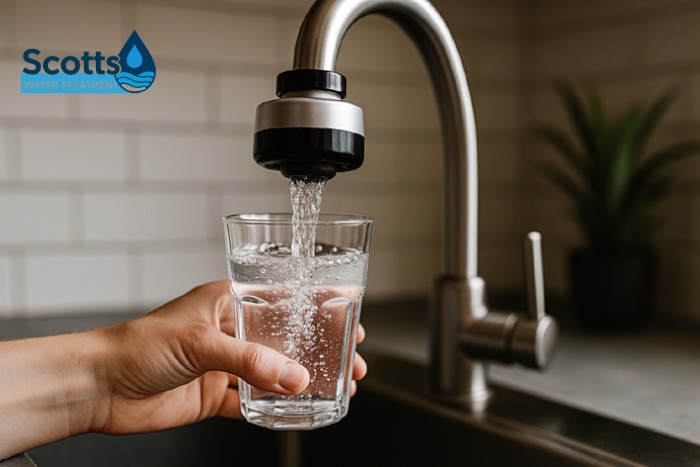
Most homeowners assume their water is clean just because it comes from the tap. It may look clear, but that doesn’t mean it’s free of substances that can affect your health, plumbing, or comfort. Water can carry invisible contaminants, minerals, and chemicals that silently impact everything from your skin to your appliances.
When people talk about improving their home’s water, two words come up often: filtering and softening. While they sound similar, they serve very different purposes. Understanding this difference can help you make smarter decisions about protecting your home and family.
Why Water Quality Matters
Water is involved in nearly every part of daily life — cooking, bathing, drinking, cleaning, and more. If your water contains chlorine, sediment, lead, pesticides, or hard minerals, it can do more harm than you might think.
Over time, unfiltered or untreated water may cause:
Dry, itchy skin
Buildup in pipes and appliances
Spots on dishes and glass
Foul-tasting coffee or tea
Dull hair or irritated scalp
Long-term exposure to chemical residues
Homes in Nashville, Springfield, and Gallatin often have water that meets state safety standards, but still contains impurities that affect comfort and performance.
What Is Water Filtering?
Water filtration is the process of removing contaminants like chlorine, bacteria, sediment, chemicals, and volatile organic compounds (VOCs). Depending on the filter, some systems also remove heavy metals like lead and mercury.
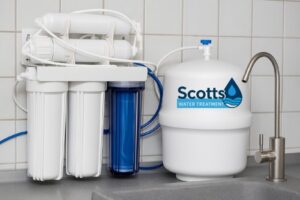
Filters come in many forms — carbon filters, reverse osmosis systems, sediment filters, and more. Some attach to specific faucets, while others treat water for the entire home.
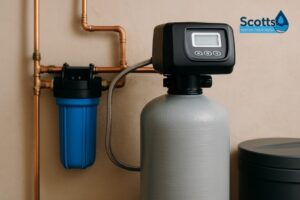
At Scotts Water Treatment, we recommend whole house filters to purify all incoming water before it reaches your taps, showers, or appliances. This provides cleaner water for drinking, cooking, bathing, and even doing laundry.
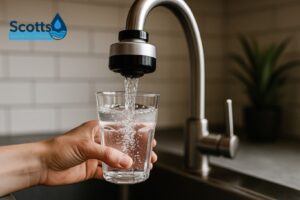
Filtration improves taste, smell, and appearance. It also reduces the risk of health issues associated with long-term exposure to harmful elements in your water supply.
What Is Water Softening?
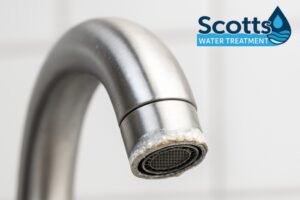
Water softening is designed to remove hard minerals, mainly calcium and magnesium, from your water. These minerals aren’t harmful to drink, but they can wreak havoc on your home.
Hard water causes:
White scale buildup on faucets
Clogged showerheads
Reduced soap and detergent performance
Stiff, scratchy laundry
Shorter lifespan for water heaters and dishwashers
Water softeners use a process called ion exchange, where calcium and magnesium ions are replaced with sodium or potassium ions. This makes the water feel “softer” and helps soaps and detergents work more effectively.
Softened water is easier on your plumbing, appliances, and even your skin.
The Key Differences
Here’s a simple way to remember the distinction:
Filtering = Cleans water for health
Softening = Treats water for comfort and appliance longevity
Filtering is about removing chemicals, pollutants, and pathogens. It’s the first line of defense for your body. Softening is about removing minerals that leave deposits and reduce cleaning efficiency. It protects your home’s infrastructure.
They work best together. That’s why many homeowners in Franklin, Lafayette, and Goodlettsville choose to install both a filter and softener as a complete system.
Do You Need Both?
In most Tennessee homes, the answer is yes. If your water contains chlorine and sediment (common in municipal water), you need a whole house filtration system. If your water leaves spots on dishes or feels rough on your skin, you need a water softener.
Together, these systems provide:
Safer, better-tasting water
Smoother skin and hair
Cleaner dishes and clothes
Longer-lasting appliances
Less scale and buildup
Many of our clients in Clarksville, Westmoreland, and Brentwood tell us the difference is immediate. Their water tastes better, their showers feel better, and their homes run more efficiently.
Get a Free In-Home Water Test
The best way to know what’s in your water is to test it. At Scotts Water Treatment, we offer free in-home water tests to check for hardness, chlorine, pH levels, sediment, and other common contaminants.
Our technicians provide clear, no-pressure explanations. We’ll show you exactly what’s in your water and recommend a solution that fits your home and budget. Whether you need just a filter, just a softener, or a combination system, we’ve got you covered.
Installed by Experts. Maintained for Life.
We don’t just install systems — we stock everything we sell and provide full maintenance services. That means faster installs, easier service calls, and no waiting for parts.
We serve all of Middle Tennessee, including Hendersonville, Madison, White House, and beyond. We carry filters, softeners, and reverse osmosis systems, all built for Tennessee water conditions.
If you ever have questions or need a replacement filter, we’re just a phone call away.
The Bottom Line
Water is too important to leave to chance. A filter removes harmful contaminants you don’t want in your body. A softener removes minerals that damage your home. Both systems work together to provide the safest, most comfortable water possible.
It’s not about luxury. It’s about peace of mind — knowing that every sip, shower, and load of laundry is as clean as it should be.
Let Scotts Water Treatment help you protect what matters most.
By: Scotts Water Treatment
📞 615-970-2121
📧 Scott@scottswatertreatment.com
🌐 https://scottswatertreatment.com