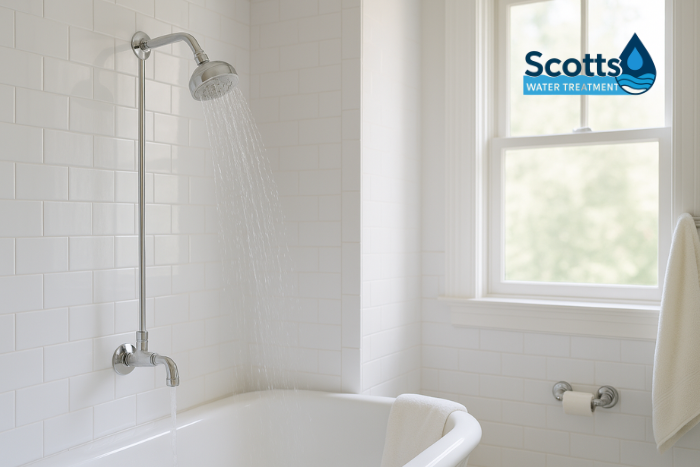
The smell hit me the moment I turned on the shower. It was that distinctive swimming pool odor that shouldn’t exist in my bathroom. I had just moved to Nashville, and this was my first morning in the new house. Standing there in my towel, I wondered if something was wrong with the plumbing. A neighbor later explained that nothing was broken. That is simply what Nashville tap water smells like sometimes.
Chlorine in municipal water is not an accident or a problem. It is intentional. Water treatment facilities add chlorine to kill bacteria, viruses, and other microorganisms that could make people sick. This process is one of the most important public health achievements of the twentieth century because it dramatically reduced waterborne diseases that once killed thousands. The chlorine in your tap water is there to protect you.
However, protection comes with tradeoffs. Chlorine affects more than just water safety. It influences taste, smell, and over time, both your health and your home in ways most people do not realize until the effects become obvious.
I learned about chlorine’s broader impacts gradually through small signs that accumulated over months. My morning coffee tasted slightly off, no matter which brand I tried. My skin felt dry and itchy after showers, even when I used moisturizer. The white grout in my shower developed a yellow tint that would not scrub away. My clothes, washed in Nashville tap water, also seemed to fade faster than before.
The health effects of chlorinated water are subtle and build up over time. You will not get sick from drinking chlorinated tap water because the purpose of chlorination is to keep it safe. But ongoing exposure to chlorine and its byproducts raises questions that researchers continue to study.
When chlorine reacts with organic matter in water, it forms compounds called trihalomethanes and haloacetic acids. These disinfection byproducts exist in nearly all chlorinated water systems. The EPA regulates their levels, setting maximum allowable concentrations based on health research. Yet “allowable” does not mean “ideal,” and some people are more sensitive to these compounds than others.
Skin and hair usually take the most damage from chlorine exposure. Chlorine strips away natural oils, leaving skin dry and irritated. People with eczema, psoriasis, or other skin conditions often find that their symptoms worsen when exposed to chlorinated water. Hair becomes dry, brittle, and loses its natural shine.
I noticed this with my daughter. She always had beautiful, healthy hair, but after a few months in Nashville it became dry and difficult to manage. We tried different shampoos, conditioners, and leave-in treatments. Nothing helped until we installed a shower filter that removed chlorine. Within weeks, her hair returned to normal. The problem was not the products we were using. It was the water itself.
Respiratory effects from chlorinated water might seem strange. You are not breathing the water, after all. But when you shower in hot water, chlorine turns into vapor and you inhale it. For people with asthma or respiratory sensitivities, this can cause symptoms. Some studies suggest that long-term exposure to chlorine vapor in showers may contribute to breathing problems, though research continues.
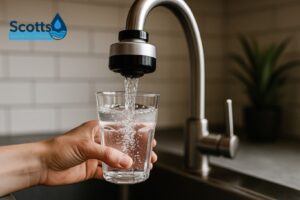
The taste and odor issues are immediate and easy to notice. Chlorinated water affects the flavor of everything coffee, tea, cooking, even ice cubes. Some people get used to it, while others always notice that their water tastes off. Many restaurants and coffee shops in Nashville use filtration systems to solve this problem because chlorine affects the quality of their beverages and food.
Your home’s plumbing and appliances also suffer from chlorine exposure. Chlorine is corrosive and slowly damages rubber seals and gaskets in faucets, toilets, and appliances. Those small leaks that appear after a few years may be caused by chlorine breaking down the materials.
Water heaters face extra challenges because heat accelerates corrosion when combined with chlorine. This shortens the lifespan of the heater and can lead to early failure. The same problem affects dishwashers, washing machines, and any appliance that uses hot water.
I watched a plumber replace the fill valve in my toilet for the third time in five years. “This is normal around here,” he explained. “The chlorine in Nashville water eats these rubber parts. I replace them all the time.” He suggested installing a whole-house water treatment system, saying it would probably pay for itself in reduced repairs.
Laundry and fabrics fade faster in chlorinated water. Chlorine works as a mild bleaching agent, slowly removing color from clothing, towels, and linens. Dark colors become lighter and bright colors lose their vibrancy. The change happens so gradually that you may not notice it at first, but over time the difference becomes clear.
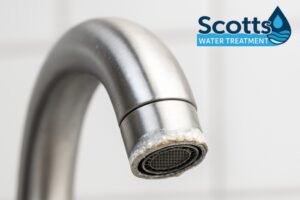
Chlorinated water also affects surfaces in your home. It can discolor grout, leave spots on glass shower doors, and create yellow-brown stains on white porcelain and fixtures. These marks are not dirt or mold. They are the result of chemical reactions between chlorine and minerals in the water.
Nashville’s water mainly comes from the Cumberland River and passes through several treatment facilities. Chlorine levels change throughout the year, often increasing in the summer when bacterial growth is more likely. That is why the swimming pool smell tends to be stronger during warm months.
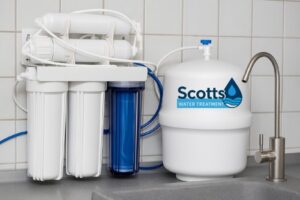
The good news is that chlorine is easy to remove from water. Unlike many contaminants, chlorine is reactive and can be filtered out. Carbon filtration removes chlorine and its byproducts effectively. Reverse osmosis systems remove chlorine and many other contaminants. Even basic pitcher filters can reduce chlorine levels significantly.
The real question is not whether you can remove chlorine, but when and where you should do it. Point-of-use filters meet specific needs. A shower filter protects skin and hair. An under-sink filter provides chlorine-free water for drinking and cooking. A refrigerator filter keeps ice and cold water tasting clean.
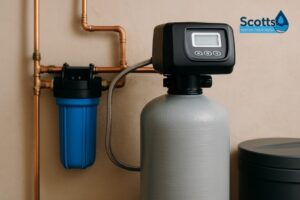
Whole-house filtration systems treat the water at the point where it enters your home, protecting everything downstream. This means your showers, appliances, plumbing, and laundry all benefit from chlorine-free water. While this option costs more upfront, it provides the most complete protection for your home and health.
The right water treatment choice depends on your priorities. If taste is your main concern, an under-sink or pitcher filter might be enough. If your skin and hair are affected, a shower filter can make a big difference. For homeowners who want to protect their plumbing, appliances, and overall water quality, a whole-house system is the best solution.
Professional water testing helps determine what is in your water. While you can smell and taste chlorine, testing gives you a full picture that includes chlorine levels, byproducts, and any other contaminants. This information helps you choose the most effective solution for your situation.
For families in Nashville and nearby areas, understanding chlorine’s role in your water helps you make better choices. Chlorine is important because it keeps your water safe from harmful microorganisms. But that does not mean you need to live with its negative effects on taste, health, and your home.
The solution is not removing chlorine from the city’s water supply because that would be unsafe. The solution is to remove it once it reaches your home, after it has done its job of keeping the water safe during distribution.
That swimming pool smell in your shower does not have to be normal. The dry skin, faded laundry, corroded plumbing parts, and off-tasting coffee are all signs of chlorinated water that can be fixed with the right treatment.
Clean, chlorine-free water throughout your home is not a luxury. It is an investment in your family’s health, comfort, and the long-term value of your property. It all begins with understanding what is in your water and taking steps to improve it.
About Scotts Water Treatment
Scotts Water Treatment provides expert water filtration, softener, and reverse osmosis solutions, helping families throughout Middle Tennessee enjoy clean, safe, healthy water in their homes.
Contact Scotts Water Treatment:
📞 Phone: 615-970-2121
📧 Email: scott@scottswatertreatment.com
📍 Service Area: Nashville and surrounding areas.
🔧 Specialties: Water filtration systems, water softeners, reverse osmosis systems, free water testing, personalized service, professional installation
Concerned About Chlorine in Your Water?
Contact Scotts Water Treatment for free water testing today!