
When Sarah and her husband bought their dream home on five acres outside Hendersonville, they fell in love with the privacy, the land, and the freedom of well water. No monthly water bills, no city restrictions—just pure independence. But three months after moving in, Sarah noticed something troubling. Her white towels were turning orange. The shower doors had stubborn brown stains. And worst of all, their morning coffee tasted like metal.
Sarah’s experience is common among Sumner County homeowners with private wells. While well water offers independence from municipal systems, it also comes with unique challenges that require specialized water treatment solutions.
Understanding Well Water in Sumner County
Well water in Middle Tennessee draws from underground aquifers that have filtered through layers of limestone, clay, and bedrock. This natural filtration removes many contaminants, but it also picks up minerals and compounds that affect water quality, taste, and safety.
Unlike city water that’s treated at a central facility, well water arrives at your tap exactly as it exists underground. That means homeowners are solely responsible for ensuring their water is safe, clean, and pleasant to use. Many families discover problems only after moving in, when stains appear, appliances fail prematurely, or health concerns arise.
The geology of Sumner County creates specific water quality patterns. Homes in certain areas consistently deal with high iron content. Others battle hard water loaded with calcium and magnesium. Some wells produce water with sulfur compounds that smell like rotten eggs. And occasionally, wells test positive for bacteria, nitrates, or other health hazards.
The Importance of Professional Water Testing
Before investing in any water filtration system, professional testing is essential. Sarah learned this the hard way. She initially bought an under-sink filter from a big box store, hoping it would solve her problems. It didn’t. The orange stains continued, and she’d wasted money on a system that wasn’t designed for her specific water issues.
Professional water testing analyzes dozens of parameters including iron, manganese, hardness, pH, sulfur, bacteria, nitrates, and more. This comprehensive analysis reveals exactly what’s in your water and guides the selection of appropriate treatment systems.
Free water testing is available from qualified water treatment professionals who understand local water conditions. They can interpret results, explain health implications, and recommend solutions tailored to your family’s needs and budget.
Common Well Water Problems in Sumner County
Iron contamination tops the list of well water complaints in Middle Tennessee. Iron exists in two forms: ferrous iron (dissolved and invisible) and ferric iron (oxidized and visible as orange or brown staining). Both cause problems, but they require different treatment approaches.
Homes with iron issues notice orange stains on fixtures, toilets, and laundry. White clothes turn dingy. Dishes have spots. And over time, iron buildup clogs pipes and damages appliances. Even low levels of iron—just a few parts per million—create noticeable problems.
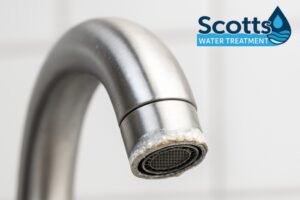
Hard water is another widespread issue. Calcium and magnesium minerals dissolve into groundwater as it passes through limestone formations. While not a health hazard, hard water creates scale buildup in pipes and water heaters, reduces soap effectiveness, leaves spots on dishes, and makes skin feel dry after bathing.
Sulfur compounds produce that unmistakable rotten egg smell. Even trace amounts make water unpleasant to drink and use. Sulfur doesn’t pose health risks at typical concentrations, but it affects quality of life and can corrode plumbing fixtures.
Bacteria and nitrates represent serious health concerns. Coliform bacteria indicate potential contamination from surface water or septic systems. Nitrates, often from agricultural runoff or failing septic systems, pose particular risks to infants and pregnant women. Both require immediate attention and specific treatment approaches.
Comprehensive Treatment Solutions
Addressing well water problems requires a systematic approach. Single-purpose filters rarely solve multiple issues. Instead, effective treatment typically involves several components working together.
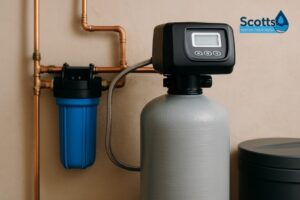
For homes with iron problems, oxidation and filtration systems convert dissolved iron into particles that can be filtered out. These systems use air injection or chemical oxidation to transform invisible ferrous iron into visible ferric iron, then capture it in a filter media. Properly sized and maintained, these systems eliminate iron staining and protect plumbing and appliances.
Water softeners remain the gold standard for treating hard water. These systems use ion exchange technology to replace calcium and magnesium with sodium or potassium. The result is soft water that protects plumbing, improves soap performance, and feels better on skin and hair. Modern water softeners are efficient, using minimal salt and water during regeneration cycles.
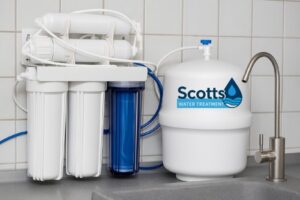
Reverse osmosis systems provide the highest level of filtration for drinking and cooking water. These point-of-use systems remove virtually all contaminants including dissolved solids, heavy metals, bacteria, and chemicals. Many Sumner County homeowners combine whole-house treatment for general use with reverse osmosis at the kitchen sink for drinking water.
Sulfur removal requires specialized equipment. Depending on concentration and form, solutions include oxidation filters, activated carbon systems, or chlorination followed by filtration. Professional assessment determines the most effective and economical approach.
The Role of Maintenance
Sarah’s neighbor installed a water treatment system five years ago and never serviced it. When problems returned, he assumed the system had failed. In reality, it just needed maintenance. Filter media exhausts over time. Salt levels in softeners need monitoring. Reverse osmosis membranes require periodic replacement.
Professional maintenance ensures systems continue performing as designed. Annual service visits include testing water quality, checking system operation, replacing filters as needed, and making adjustments. This preventive approach costs far less than emergency repairs or premature system replacement.
Choosing the Right Provider
Not all water treatment companies are equal. Some sell one-size-fits-all solutions without proper testing. Others push expensive systems that exceed actual needs. The best providers start with comprehensive testing, explain results clearly, and recommend solutions matched to specific problems and budgets.
Local expertise matters. Companies familiar with Sumner County water conditions understand common problems and effective solutions. They know which wells typically have iron issues, where hard water is most severe, and how local geology affects water quality.
Christian values and honest business practices build trust. Homeowners deserve transparent pricing, realistic expectations, and ongoing support. The relationship shouldn’t end at installation—it should continue with maintenance, service, and advice as needs evolve.
Real Results for Real Families
After her initial frustration, Sarah contacted a local water treatment professional for comprehensive testing. Results showed high iron, moderate hardness, and slightly acidic pH. The recommended solution included an iron filter, water softener, and pH neutralizer.
Within days of installation, the orange stains stopped appearing. Laundry came out bright and clean. Shower doors stayed clear. And most importantly, their morning coffee tasted like coffee again. Sarah wishes she’d started with professional testing and proper equipment instead of wasting time and money on inadequate solutions.
Her experience reflects what thousands of Sumner County families discover: well water problems are solvable with the right approach. Testing identifies issues. Proper equipment addresses them. Regular maintenance keeps systems working. And the result is clean, safe, pleasant water throughout the home.
Taking the First Step
If you’re experiencing water quality issues in your well water home, professional testing is the logical first step. It costs nothing, takes minimal time, and provides the information needed to make informed decisions about water treatment solutions.
Don’t wait until problems worsen or cause expensive damage. Orange stains indicate iron that’s also building up inside pipes and appliances. Hard water scale reduces water heater efficiency and shortens appliance life. Bacteria and nitrates pose health risks that won’t improve on their own.
Nashville and surrounding areas within 40 miles have access to experienced water treatment professionals who understand local conditions and offer solutions that work. Free testing, honest assessments, quality equipment, and ongoing support make clean water achievable for every family.
📝 Contact Info
Scotts Water Treatment specializes in solving well water problems for Sumner County homeowners. We provide free professional water testing, honest assessments, and customized treatment solutions.
📞 Phone: 615-970-2121
📧 Email: scott@scottswatertreatment.com
📧 Email: scott@scottswatertreatment.com
Call today for free professional water testing and discover the right solution for your well water challenges!